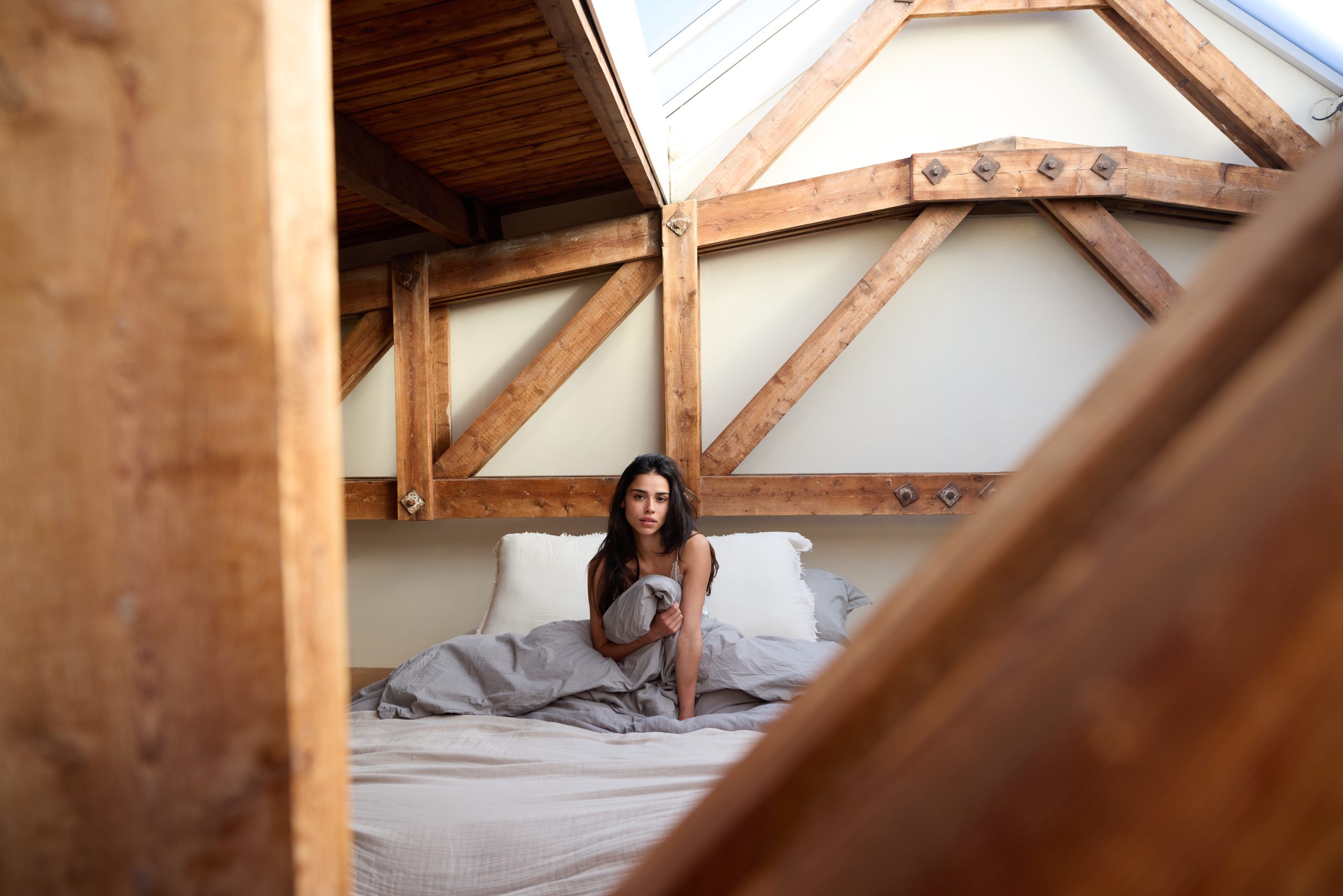
For fashion and beauty photography, morning slots typically offer softer, cooler light that works well for editorial shoots, whilst afternoon sessions provide warmer, more directional light that’s ideal for commercial work. The best choice depends on your creative vision, the season, and whether you’re shooting in a space with controlled natural light like a daylight studio. Understanding how light changes throughout the day will help you book the right time slot and prepare properly for your shoot.
What’s the actual difference between morning and afternoon natural light?
Morning light comes in at a lower angle with a cooler colour temperature, creating soft, diffused illumination that’s typically between 4000-5000K. Afternoon light sits higher in the sky during midday before descending again, offering warmer tones around 3500-4500K with more directional characteristics. The shadows in morning sessions tend to be longer and softer, whilst afternoon light produces shorter, more defined shadows that can add drama and dimension to your images.
The sun’s angle makes a massive difference when you rent a photostudio with skylights or large windows. Morning light enters more horizontally through side windows, wrapping around your subject gently. By afternoon, overhead skylights become more active as the sun climbs higher, creating different shadow patterns and light distribution across your shooting space.
In a daylight studio with 8-metre high ceilings and both skylights and side windows, you’ll notice morning light fills the space more evenly. The lower sun angle means light bounces off walls and ceilings, creating natural fill light that reduces harsh contrasts. Afternoon sessions bring more direct beams, especially through skylights, which can create beautiful pools of light but require more careful positioning of your subject.
Which time slot works best for fashion and beauty photography?
Fashion and beauty photography generally benefits from morning light between 9am and 12pm when shooting editorial content that requires soft, even illumination and true-to-life skin tones. The cooler colour temperature renders fabrics accurately and creates flattering shadows that define facial features without being too dramatic. Beauty shots particularly shine in morning light because the diffused quality minimises skin texture whilst maintaining enough contrast to show makeup details and product finishes.
Afternoon slots from 1pm onwards work brilliantly for commercial fashion that needs more punch and energy. The warmer colour temperature adds golden undertones that make images feel more vibrant and lifestyle-oriented. This timing suits campaigns that want a sun-kissed, approachable feel rather than the cooler, more editorial aesthetic of morning sessions.
Lifestyle photography sits comfortably in either slot, but your choice should match the mood you’re after. Morning creates that fresh, awakening feeling perfect for wellness brands and natural beauty products. Afternoon delivers warmth and intimacy that works well for fashion campaigns targeting evening wear or products associated with relaxation and comfort.
When you rent a photostudio with multiple settings, morning light works particularly well in spaces with Scandinavian or minimalist aesthetics where the cooler tones complement clean lines. Afternoon warmth enhances Mediterranean or warmer-toned spaces, making the entire environment work harder for your creative vision.
How does the season affect your morning vs afternoon choice?
Seasonal changes dramatically shift the light quality and timing you’ll experience in your studio session. Winter morning light arrives later and stays softer throughout the day, with the sun never climbing as high in the sky. This means winter afternoon sessions around 2-3pm can still offer relatively soft light similar to what you’d get at 10am in summer. The golden hour arrives much earlier in winter, sometimes as early as 3pm, giving afternoon bookings access to that coveted warm glow.
Summer presents the opposite challenge with harsh midday light lasting from roughly 11am to 3pm. Morning sessions need to start earlier, around 8-9am, to catch the best quality light before it becomes too intense. Summer afternoons work better after 4pm when the light softens again, but you’ll need longer booking times to capture the full range of usable light as the sun takes its time setting.
Spring and autumn offer the most balanced conditions where both morning and afternoon slots deliver reliable, beautiful light. The sun’s path creates moderate angles throughout the day, and you’re less likely to encounter extreme contrasts or colour temperatures. These seasons give you more flexibility in your booking choices and are forgiving if you need to work across different times of day.
In a daylight studio with large skylights, winter light pours through overhead windows more directly even during morning hours because of the sun’s lower arc. Summer sees those same skylights receiving more intense light during midday, which can actually be managed beautifully in spaces with high ceilings where the light has distance to diffuse before reaching your subject.
What happens if you book the wrong time slot for your shoot?
Booking the wrong time slot doesn’t mean your shoot is ruined, but you’ll need to adapt your approach and possibly adjust your creative vision. If you’ve booked afternoon time expecting soft light but encounter strong, directional beams, you can work with the conditions by positioning your subject in areas where the light is filtered through diffusion or bounced off walls. The challenge becomes an opportunity to create more dramatic, high-contrast images rather than the soft, even aesthetic you originally planned.
Having backup equipment helps tremendously when natural light doesn’t match expectations. A simple reflector can bounce harsh afternoon light into softer fill, whilst diffusion panels positioned near windows can transform direct beams into the gentle illumination you’d normally get in morning sessions. Many photographers who rent photostudio space bring a basic lighting kit as insurance, even when planning to shoot entirely with natural light.
Timing your shooting sequence strategically makes a huge difference when light conditions aren’t ideal. Start with shots that can handle the current light quality, then move to more demanding work as conditions improve. If you’ve booked an afternoon slot but need softer light, schedule your beauty close-ups for later in the session when the sun naturally softens, and tackle wider fashion shots or more dramatic concepts whilst the light is stronger.
The architecture of your studio space affects how adaptable you can be. Spaces with multiple window orientations give you options to move around and find better light angles. Studios with both skylights and side windows let you choose between overhead and horizontal light sources depending on what’s working better at that moment. When booking, it’s worth asking about the studio’s window configuration so you understand your options if conditions aren’t perfect.
How do you decide between morning and afternoon for your specific project?
Start by defining the mood and emotion your images need to convey. Morning light naturally creates feelings of freshness, clarity, and new beginnings, making it perfect for wellness brands, natural beauty products, and editorial fashion with a sophisticated edge. Afternoon light brings warmth, comfort, and energy that suits commercial campaigns, lifestyle fashion, and products associated with relaxation or evening activities.
Consider your subject matter and how different light qualities will render it. Delicate fabrics with subtle textures show beautifully in morning’s softer light where gentle shadows reveal detail without overwhelming it. Bold colours and strong silhouettes often benefit from afternoon’s more directional light that creates definition and impact. Beauty work requiring accurate skin tone representation typically performs better in morning sessions, whilst fashion emphasising mood over technical precision can embrace afternoon’s warmer palette.
Practical constraints matter as much as creative preferences. If you’re working with models, hair stylists, and makeup artists, morning slots mean earlier call times that might affect performance and energy levels. Afternoon bookings allow more preparation time but risk running into fading light if your session extends longer than planned. When you rent a photostudio, check the prices for photography and film in euros and policies on time extensions so you know your options if you need extra minutes.
Think about your deadline flexibility and weather backup plans. Morning light tends to be more consistent and predictable, whilst afternoon sessions can vary more based on cloud cover and seasonal changes. If you’re shooting for a client with tight deadlines and no room for reshoots, the reliability of morning light might outweigh any creative preference for afternoon warmth. Studios with excellent skylight systems and high ceilings provide more consistent natural light throughout the day, giving you better insurance against timing challenges.
When booking studio space, communicate your lighting needs clearly. Mention whether you’re prioritising soft, even illumination or dramatic, directional light. Ask about the studio’s window orientation and how light moves through the space during your preferred time slot. Understanding these details before you book means you’ll arrive prepared with the right equipment and realistic expectations for what you can achieve during your session.
Choosing the right time slot for natural light photography comes down to matching light quality with your creative vision whilst accounting for seasonal variations and practical constraints. Morning sessions offer reliability and softness that flatters most subjects, whilst afternoon bookings provide warmth and drama that can elevate commercial work. At Studio Noorderfabriek, our 4 daylight studios with 8-metre high ceilings, skylights, and large side windows give you beautiful natural light throughout the day, whether you book morning or afternoon slots. The 650m² space adapts to your needs, letting you create stunning images regardless of when you choose to shoot. To explore all the possibilities for photography and film for your next photography session or if you have any questions, feel free to contact us.
Frequently Asked Questions
Can I switch between morning and afternoon light styles within a single booking?
Yes, with strategic planning you can capture different light qualities in one session. Book a time slot that bridges both periods (like 11am-3pm) to catch the transition from cooler morning tones to warmer afternoon light. This works particularly well in studios with multiple window orientations, allowing you to move between spaces as the light changes and capture varied looks for your project without booking separate sessions.
What equipment should I bring to maximise natural light in either time slot?
Pack reflectors (both white and silver), diffusion panels or scrims, and a light meter to measure changing conditions throughout your session. A set of flags or black cards helps control unwanted light spill, whilst C-stands give you flexibility to position modifiers quickly. Even when shooting purely with natural light, having a portable LED panel as backup ensures you can maintain consistency if clouds roll in or light fades faster than expected.
How far in advance should I book to secure my preferred time slot?
For popular morning slots (9am-12pm), especially during spring and autumn when light conditions are optimal, book 2-4 weeks ahead. Afternoon slots typically have more availability and can often be secured with 1-2 weeks’ notice. If you’re shooting during peak wedding season (May-September) or need weekend time, extend your booking window to 4-6 weeks to ensure you get your preferred timing.
What's the best approach if I've never shot in natural light before?
Start with a morning slot between 10am-12pm, which offers the most forgiving and consistent light quality for beginners. Arrive 30 minutes early to observe how light moves through the space and test different positions. Shoot in RAW format to give yourself maximum flexibility in post-production, and don’t be afraid to slightly underexpose to preserve highlight detail in brighter areas—you can always lift shadows in editing more easily than recovering blown highlights.
How do overcast days affect the morning vs afternoon decision?
Overcast conditions act as a giant natural diffuser, essentially eliminating the typical differences between morning and afternoon light. On cloudy days, the time slot matters less for light quality and more for practical scheduling. The light will be soft, even, and consistent throughout the day, though slightly dimmer overall, so you might need to increase your ISO or open your aperture wider than you would on sunny days.
Can I preview the light in my chosen time slot before committing to a full booking?
Many studios, including Studio Noorderfabriek, offer viewings or short recce visits so you can see the space during your intended shooting time. If a preview isn’t possible, ask the studio for time-stamped photos or videos showing how light looks during different hours. This reconnaissance helps you plan your shot list, determine equipment needs, and confirm that the time slot matches your creative vision before you invest in a full booking.
What are the most common mistakes when choosing between morning and afternoon slots?
The biggest mistake is choosing based solely on convenience rather than creative needs, leading to light that doesn’t match your vision. Photographers also frequently underestimate seasonal variations—booking afternoon slots in winter expecting summer’s warm glow, or morning sessions in summer without accounting for early intensity. Another common error is not building buffer time into bookings, which leaves no room to wait for optimal light or adapt if conditions change unexpectedly.