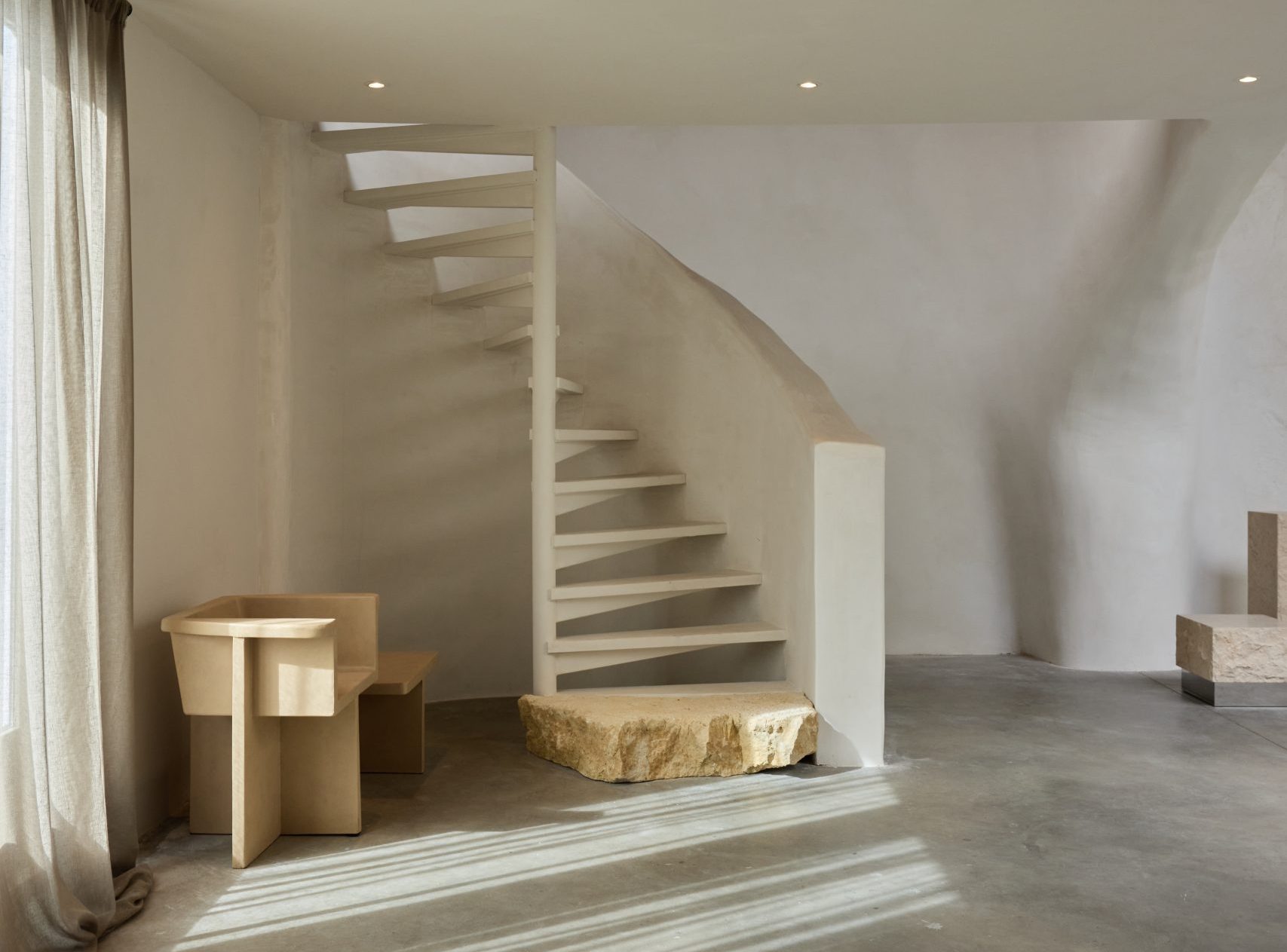
The golden hour provides the best natural light for most photoshoots, occurring during the first hour after sunrise and the last hour before sunset. This timing offers warm, soft light that flatters subjects and creates appealing shadows. However, different times of day serve specific photography needs, from the even lighting of overcast conditions to the dramatic possibilities of blue hour shooting.
What makes natural light different throughout the day?
Natural light changes dramatically throughout the day due to the sun’s position and angle in the sky. The sun’s height affects light intensity, colour temperature, and shadow direction, creating distinct lighting conditions that photographers can use for different creative effects.
During sunrise and sunset, the sun sits low on the horizon, creating warm colour temperatures around 2000-3000K. This low angle produces soft, directional light that wraps around subjects beautifully. As the sun rises higher, the light becomes cooler and more intense, reaching its peak brightness and bluest colour temperature around midday at approximately 5500-6500K.
The atmosphere also plays a role in how light reaches your subjects. When the sun is low, its light travels through more atmosphere, which filters out harsh blue tones and creates that coveted warm glow. Higher sun positions mean light travels through less atmosphere, resulting in cooler, more direct illumination.
Understanding these changes helps you plan your shoot timing effectively. Whether you’re working in a controlled environment or shooting outdoors, knowing how natural light behaves throughout the day allows you to choose the perfect timing for your creative vision and photography projects.
Why is golden hour considered the best time for most photoshoots?
Golden hour delivers flattering warm light with soft shadows that enhance skin tones and create appealing contrast without harsh lines. The low sun angle provides natural side lighting that adds dimension to faces and subjects while maintaining detail in both highlights and shadows.
The warm colour temperature during golden hour, typically between 2000-3000K, creates a natural glow that makes everything look more appealing. This warmth is particularly beneficial for portrait, fashion, and lifestyle photography because it complements human skin tones beautifully. The light is also less intense than midday sun, reducing the risk of overexposed highlights or deep, unflattering shadows.
For fashion and beauty photography, golden hour provides that sought-after rim lighting effect that separates subjects from backgrounds naturally. The directional quality of the light creates gentle modelling on faces, enhancing features without requiring extensive lighting equipment.
Golden hour timing varies by season and location, but generally occurs within the first hour after sunrise and the last hour before sunset. In summer, this might mean shooting at 6-7 AM or 7-8 PM, while winter golden hour could happen at 8-9 AM or 4-5 PM. Planning your shoot timing around these windows ensures you capture that magical quality of light that makes images stand out.
How do you work with harsh midday sunlight effectively?
Harsh midday sunlight can create stunning results when you use strategic positioning and shadow manipulation. Move subjects into open shade, use reflectors to fill shadows, or position them so the strong light becomes dramatic backlighting or side lighting rather than unflattering overhead illumination.
Open shade is your best friend during midday shoots. Look for areas under building overhangs, large trees, or architectural features that block direct sunlight while still providing ambient light. This gives you even illumination without the harsh shadows that direct overhead sun creates.
When you must work in direct sunlight, use it intentionally. Position subjects so the sun acts as a hair light or rim light, then use a large reflector or fill flash to illuminate the shadowed side of faces. White or silver reflectors work well for bouncing the strong midday light back onto your subjects.
Consider the creative possibilities of harsh light. Strong sunlight creates bold shadows that can add drama and graphic elements to your compositions. Architectural photography often benefits from the clear definition that midday light provides, while fashion photography can use dramatic shadows as design elements.
If you’re working in a studio environment, you can simulate or complement harsh natural light with controlled lighting setups, giving you the dramatic effect without the positioning challenges of outdoor midday shooting.
What are the advantages of shooting during overcast conditions?
Overcast skies act as a giant natural softbox, providing even, diffused lighting that eliminates harsh shadows and reduces contrast. This creates ideal conditions for portrait photography, detailed product shots, and any situation where you need consistent illumination across your subjects.
The cloud cover diffuses sunlight evenly across the entire sky, creating what photographers call “window light” outdoors. This soft, directional light is particularly flattering for portraits because it minimises skin imperfections and provides gentle modelling without deep shadows under eyes or noses.
Overcast conditions also provide more consistent lighting throughout your shoot. Unlike golden hour, which changes rapidly, or midday sun, which creates moving shadows, cloudy weather maintains relatively stable light levels for extended periods. This consistency is valuable for fashion shoots or any project requiring multiple setups with matching lighting.
The reduced contrast in overcast conditions helps cameras capture detail in both highlights and shadows more easily. This is particularly beneficial when shooting subjects with varying tones or complex textures that might be lost in harsh lighting conditions.
For colour photography, overcast light provides neutral colour temperature that renders colours accurately without the warm or cool casts associated with different sun angles. This makes overcast conditions ideal when colour accuracy is important for your project.
How does blue hour create unique photoshoot opportunities?
Blue hour occurs during twilight when ambient light balances perfectly with artificial lighting, creating moody, atmospheric images with rich blue skies and warm artificial lights. This brief window, lasting about 20-30 minutes after sunset, offers unique creative possibilities for dramatic photography.
During blue hour, the sky takes on a deep blue colour that provides a beautiful backdrop for subjects lit with artificial lights. This natural colour separation between cool ambient light and warm artificial sources creates visual interest and depth that’s difficult to achieve at other times.
The balanced lighting conditions during blue hour allow you to capture detail in both the sky and artificially lit subjects without extreme exposure adjustments. Street lights, building illumination, and portable lighting equipment all become effective light sources that complement rather than overpower the ambient light.
This timing is particularly effective for architectural photography, urban portraits, and any creative project that benefits from dramatic, moody lighting. The combination of the blue sky and warm artificial lights creates a cinematic quality that adds production value to images.
Blue hour timing is brief and varies by season, so planning is important. The effect begins about 20 minutes after sunset and lasts roughly 30 minutes, though this can vary based on weather conditions and geographic location. Having your setup ready before blue hour begins ensures you maximise this limited but powerful lighting window.
What should you consider when planning photoshoot timing?
Successful photoshoot timing requires considering seasonal variations, weather conditions, and location-specific factors alongside your creative goals. Create backup plans for different lighting scenarios and remain flexible with scheduling to accommodate the best natural light conditions for your project.
Season significantly affects both the timing and quality of natural light. Summer provides longer golden hours but more intense midday sun, while winter offers shorter but potentially more dramatic lighting windows. The sun’s angle changes throughout the year, affecting shadow direction and light quality even at the same time of day.
Weather forecasting becomes part of your pre-production planning. Clear skies provide strong directional light and defined golden hour, while partly cloudy conditions can create interesting mixed lighting with dramatic cloud shadows. Completely overcast days offer the soft, even lighting discussed earlier.
Location factors include surrounding buildings, trees, or geographical features that might block or modify natural light. Urban environments create different lighting conditions than open landscapes, while indoor locations with large windows can provide controlled natural light regardless of external conditions.
When working with professional studios, consider how the natural light characteristics change throughout your rental period. Studios with excellent natural light, like those with high ceilings and large windows, offer flexibility to work with changing light conditions throughout the day while maintaining creative control over your shooting environment.
Always have contingency plans for different lighting scenarios. This might mean bringing additional lighting equipment, scouting alternative shooting locations, or adjusting your creative approach based on the actual conditions you encounter during your shoot.
Understanding natural light timing transforms your photography by helping you choose the perfect moments for different creative effects. Whether you’re working with the warm glow of golden hour, the even illumination of overcast skies, or the dramatic possibilities of blue hour, each lighting condition offers unique opportunities for compelling images. At Studio Noorderfabriek, we understand how important natural light is for creating exceptional photography, which is why our four themed studios feature optimal daylight through skylights and large windows, giving you beautiful natural illumination throughout the day for your creative projects. To explore all the possibilities for photography and film, check our prices for photography and film, or book your photography or film session. For any questions or to discuss your specific needs, feel free to contact us.