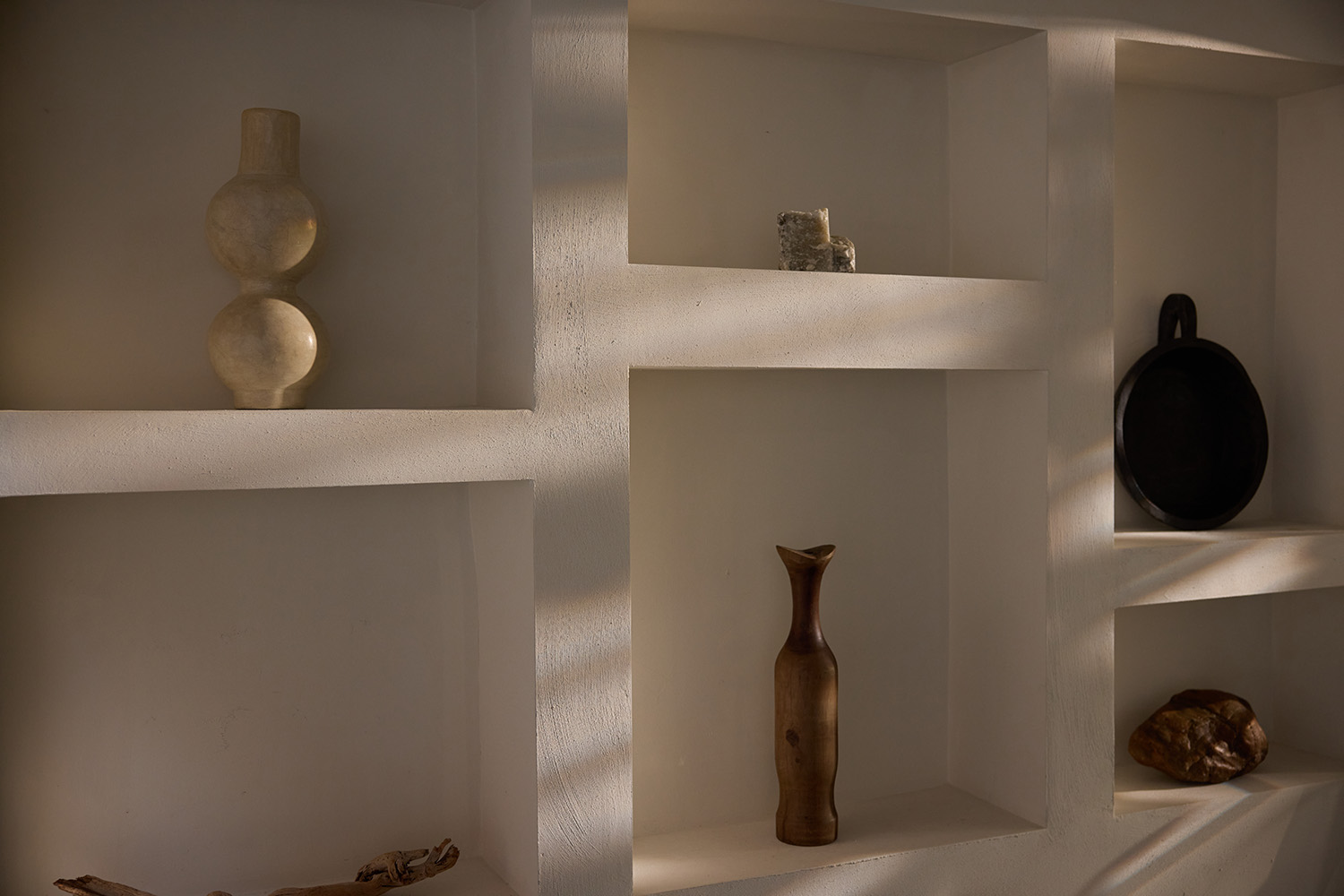
Natural light significantly improves photo quality by providing accurate colour reproduction, soft shadows, and dynamic range that artificial lighting struggles to match. It offers full-spectrum illumination that renders skin tones naturally and creates authentic mood in images. However, natural light requires careful control through timing, positioning, and modification techniques to achieve consistent professional results.
What makes natural light different from artificial studio lighting?
Natural light differs from artificial studio lighting in three fundamental ways: colour temperature consistency, dynamic range, and shadow quality. Natural light provides a full spectrum of wavelengths that creates more accurate colour reproduction, whilst artificial lights often have gaps in their spectrum that can cause colour casts or unnatural skin tones.
The quality of shadows produced by natural light is inherently softer due to the sun’s large apparent size when diffused through atmosphere or windows. This creates gentle transitions between light and shadow areas, reducing harsh contrasts that can be unflattering in portraits. Artificial lights, being smaller point sources, tend to create harder shadows unless heavily modified.
Natural light also offers superior dynamic range, meaning it captures more detail in both highlight and shadow areas. This gives photographers greater flexibility in post-processing and creates images with more depth and dimension. The constantly changing quality of natural light throughout the day provides varied moods and atmospheres that would require multiple artificial lighting setups to replicate.
How does natural light improve skin tones and colour accuracy?
Natural light improves skin tones because it contains the complete visible spectrum, allowing cameras to capture accurate colour information without the colour casts common with artificial lighting. The sun’s full-spectrum output ensures that all colours are represented naturally, particularly the subtle variations in skin pigmentation that make portraits look lifelike.
Fashion and beauty photography particularly benefits from natural light’s colour accuracy because it reveals true fabric colours, makeup shades, and skin textures without the green or magenta tints that fluorescent or LED lights can introduce. This accuracy reduces the need for extensive colour correction in post-processing, saving time and maintaining image quality.
The soft, even illumination from large windows or skylights wraps around facial features naturally, minimising harsh shadows under the eyes, nose, and chin that can age subjects or create unflattering appearances. This wraparound quality is difficult to achieve with artificial lights without extensive modification using large softboxes or diffusion panels.
What are the biggest challenges of working with natural light in studios?
The primary challenges of natural light photography include weather dependency, time limitations, and inconsistent intensity throughout shooting sessions. Cloud cover can dramatically change light quality and quantity within minutes, forcing photographers to adapt their exposure settings and shooting approach constantly.
Seasonal variations present another significant challenge, as winter months provide fewer daylight hours and lower light angles that may not suit all photography styles. The quality of light also changes throughout the day, with harsh midday sun creating unflattering shadows, whilst early morning and late afternoon provide more flattering but limited time windows.
Control limitations pose practical difficulties for photographers accustomed to artificial lighting. You cannot simply increase natural light intensity or change its direction without moving your entire setup. This lack of precise control means photographers must work within nature’s constraints rather than bending light to their creative vision, requiring greater flexibility and planning.
How do you control and modify natural light for consistent results?
Controlling natural light requires strategic use of diffusion materials, reflectors, and positioning techniques to shape and direct the available illumination. Large diffusion panels or sheer curtains can soften harsh direct sunlight, whilst reflectors bounce light into shadow areas to reduce contrast and create more even illumination across subjects.
Window positioning becomes crucial for consistent results. North-facing windows provide steady, soft light throughout the day in the northern hemisphere, whilst east or west windows offer dramatic directional light during specific hours. Understanding your studio’s light patterns throughout different times and seasons allows you to schedule shoots when natural conditions best match your creative requirements.
Timing strategies help maintain consistency by shooting during optimal light conditions. The hour after sunrise and before sunset provides warm, soft light, whilst overcast days create natural softbox conditions that remain relatively stable. Planning shoots around weather forecasts and seasonal light patterns ensures you can deliver consistent quality regardless of natural variations.
When should photographers choose natural light over artificial lighting?
Choose natural light when authentic colour reproduction and organic mood are priorities over precise lighting control. Portrait sessions, fashion shoots, and lifestyle photography often benefit from natural light’s flattering qualities and the relaxed atmosphere it creates for subjects who may feel intimidated by complex artificial lighting setups.
Budget considerations also favour natural light photography, as it eliminates the need for expensive strobes, continuous lights, and power supplies. This makes natural light ideal for emerging photographers building their portfolios or clients with limited budgets who still want professional-quality results. To explore how natural light can work for your photography and film projects, consider the various options available in a well-designed daylight studio.
Creative projects that emphasise authenticity and natural beauty work exceptionally well with available light. Beauty photography showcasing skincare products, lifestyle shoots for wellness brands, or editorial work requiring genuine emotions benefit from natural light’s ability to create believable, unforced-looking images that connect with viewers.
What equipment helps maximise natural light quality in studio settings?
Essential natural light equipment includes large reflectors, diffusion panels, and positioning tools that modify existing light rather than replacing it. White, silver, and gold reflectors allow you to redirect natural light into shadow areas, with each surface providing different colour temperatures and contrast levels for creative control.
Diffusion materials such as large silk screens, translucent panels, or professional scrims help soften harsh direct sunlight streaming through windows. These tools create the effect of overcast conditions on demand, providing flattering illumination even during bright sunny conditions that would otherwise create unflattering shadows.
Light meters specifically designed for ambient light measurement help ensure consistent exposures when working with changing natural conditions. Unlike flash meters, these devices measure continuous light levels, allowing photographers to monitor light changes throughout sessions and adjust camera settings accordingly for consistent results across multiple shots.
Working with natural light transforms your photography by providing authentic colour reproduction and organic lighting quality that artificial sources struggle to replicate. Whilst it requires different techniques and planning compared to artificial lighting, the results often feel more natural and emotionally engaging. To understand the pricing in euros for photography and film sessions in a professional daylight studio, or if you’re ready to book your photography session, you’ll find that we’ve designed our four daylight studios with large windows and skylights specifically to harness natural light’s power. For any questions about how our facilities can support your creative vision, feel free to contact us to discuss your specific requirements and create spaces where photographers can achieve professional results whilst working with nature’s most beautiful lighting source.