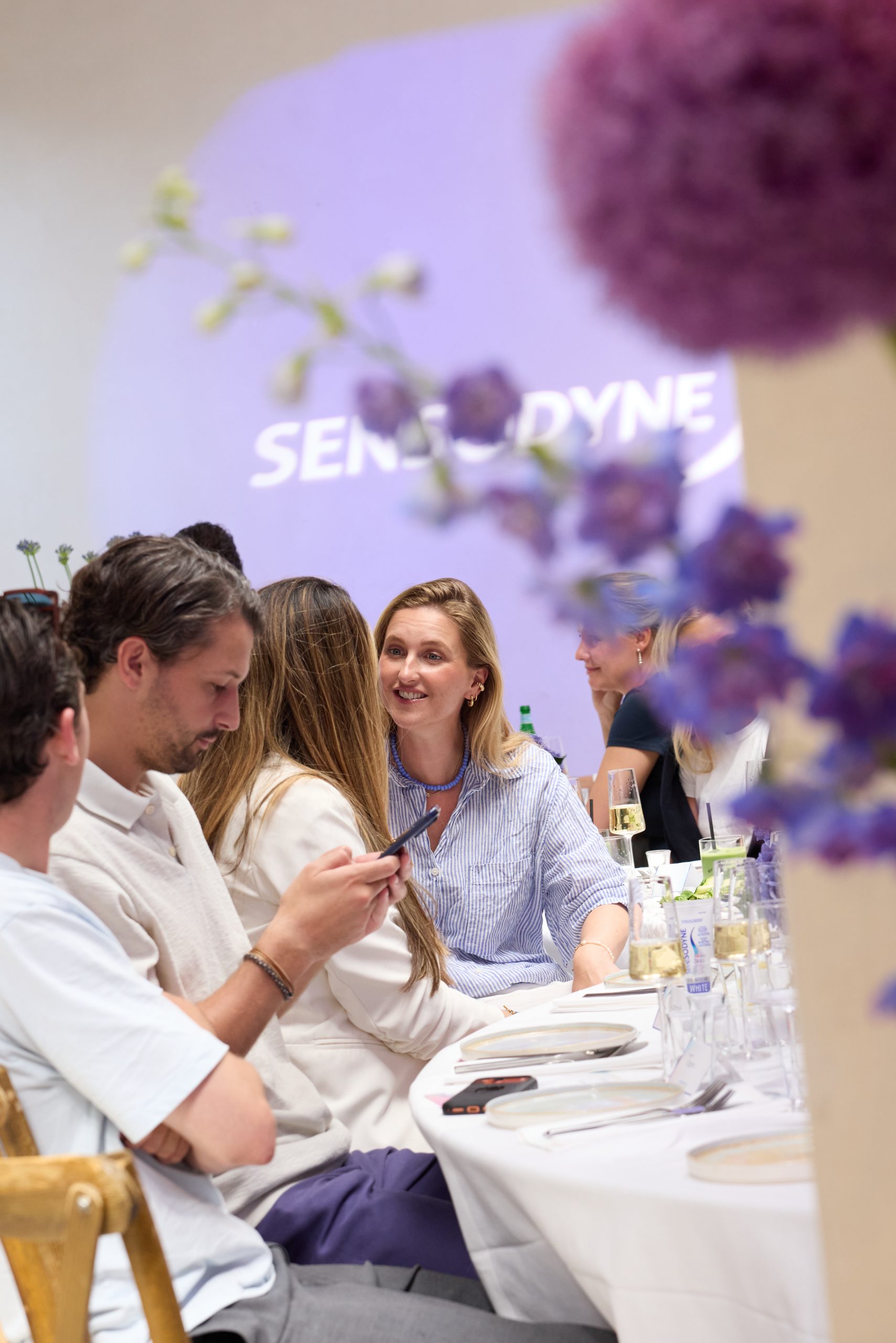
Preparing for a successful brand event requires careful planning, clear objectives, and strategic execution across multiple touchpoints. A well-prepared brand event creates memorable experiences that strengthen brand awareness, generate quality leads, and foster meaningful connections with your target audience. The key lies in understanding what makes events truly successful and implementing a comprehensive preparation strategy that covers everything from venue selection to post-event measurement.
What makes a brand event truly successful?
A successful brand event achieves measurable outcomes, including increased brand awareness, meaningful audience engagement, quality lead generation, and memorable experiences that participants actively share. Success is defined by clear alignment between event objectives and business goals, creating authentic connections rather than generic corporate gatherings.
The key differentiators of successful brand events include authentic brand integration throughout the experience, interactive elements that encourage participation, and content that provides genuine value to attendees. Rather than focusing solely on promotional messaging, successful events create environments where your brand naturally becomes part of meaningful conversations and experiences.
Successful brand events also demonstrate a strong return on investment through metrics such as attendee satisfaction scores, social media engagement rates, and post-event business enquiries. They leave participants with positive brand associations and a clear understanding of your value proposition, often leading to word-of-mouth recommendations and future business opportunities.
How far in advance should you start planning a brand event?
Brand event planning should begin 3–6 months in advance for most events, with larger activations requiring 6–12 months of preparation time. This timeline ensures proper venue booking, vendor coordination, and comprehensive marketing campaigns that build anticipation effectively.
For intimate workshops or small brand experiences accommodating 20–50 people, 6–8 weeks of preparation often suffices. Medium-scale events for 100–200 attendees typically need 3–4 months, while large brand activations exceeding 250 participants require 6–12 months for optimal execution.
Critical milestones include venue booking (first priority), speaker or entertainment confirmation, catering arrangements, and marketing material development. Starting early also provides budget advantages, as many vendors offer better rates for advance bookings, and popular venues often have limited availability during peak seasons.
The planning timeline directly affects your ability to secure preferred dates, negotiate better vendor rates, and create comprehensive promotional campaigns. Rushed planning often results in compromised venue choices, higher costs, and insufficient time for effective marketing outreach.
What are the essential elements every brand event needs?
Every effective brand event requires clear objectives, a defined target audience, appropriate venue selection, seamless brand integration, engaging activities, and comprehensive measurement strategies. These core components work together to create cohesive experiences that deliver measurable business results.
Clear objectives provide direction for all planning decisions and help measure success afterwards. Whether focusing on lead generation, brand awareness, or customer retention, your objectives should be specific, measurable, and aligned with broader business goals.
Target audience definition ensures every element resonates with attendees’ interests and expectations. Understanding demographic details, professional backgrounds, and motivations helps create relevant content and experiences that generate genuine engagement rather than polite participation.
Brand integration should feel natural rather than forced, weaving your identity through venue styling, content delivery, and interactive elements. Effective integration creates memorable associations without overwhelming participants with promotional messaging.
How do you choose the right venue for your brand event?
Venue selection depends on capacity requirements, location accessibility, brand alignment, technical capabilities, and budget considerations. The right venue enhances your brand message while providing practical functionality for your specific event format and attendee experience.
Capacity planning involves more than headcount—consider different seating arrangements, networking spaces, and activity areas. A venue accommodating 100 people theatre-style might only suit 60 for workshop formats or 80 for networking receptions.
Location accessibility affects attendance rates significantly. Choose venues with public transport links, adequate parking, and clear directions. Consider your audience’s geographic distribution and travel preferences when evaluating different locations.
Brand alignment means the venue atmosphere complements your brand personality and event objectives. A tech startup might thrive in industrial-style spaces with natural light, while luxury brands often prefer sophisticated venues with premium amenities and elegant styling options.
What’s the most effective way to promote a brand event?
An effective event marketing strategy combines social media promotion, targeted email campaigns, strategic partnerships, and influencer collaboration across a 6–8-week promotional period. Multichannel approaches ensure broader reach while maintaining consistent messaging that builds anticipation and manages attendance expectations.
Social media promotion works best when tailored to each platform’s strengths—LinkedIn for professional events, Instagram for visual brand experiences, and X for real-time updates and conversations. Create platform-specific content rather than identical posts across channels.
Email marketing remains highly effective for event promotion, particularly when segmented by audience interests and engagement history. Send initial announcements, reminder sequences, and exclusive content that adds value beyond basic event information.
Strategic partnerships with complementary businesses, industry associations, or media outlets can significantly expand your reach. Partner organisations often provide access to engaged audiences who trust their recommendations, leading to higher-quality attendees.
How do you measure the success of your brand event?
Brand event success measurement combines quantitative metrics such as attendance rates, engagement scores, and lead generation with qualitative indicators including participant feedback, changes in brand sentiment, and long-term relationship development. Comprehensive measurement provides insights for future event improvement and demonstrates ROI.
Attendance metrics include registration rates, actual attendance, and engagement duration. Track not just who attended, but how actively they participated in sessions, networking activities, and brand interactions throughout the event.
Social media metrics provide valuable insights into event reach and engagement. Monitor hashtag usage, photo sharing, mention sentiment, and post-event conversation continuation to gauge authentic enthusiasm and the strength of brand associations.
Lead quality assessment involves evaluating post-event enquiries, meeting requests, and business opportunities generated. Focus on meaningful connections rather than just contact collection, measuring progression through your sales funnel over subsequent months.
How Studio Noorderfabriek helps with brand event success
Studio Noorderfabriek provides comprehensive brand event planning and execution services that transform your vision into memorable experiences. Our approach combines strategic planning, creative venue styling, and full-service coordination to ensure every detail aligns with your brand objectives and audience expectations.
Our services include:
- Complete event planning from concept development to post-event analysis
- Four distinctive studio spaces (Nordic, Mediterrane, and Yume) accommodating 40–250 guests across 650m²
- Custom brand integration through lighting design, styling, and thematic decoration
- Full-service catering, audiovisual equipment, and technical support coordination
- Flexible venue configurations for different event formats and audience sizes
Our experienced team handles every aspect of event management, from initial concept development through final execution and evaluation. We work closely with you to ensure your brand event achieves its objectives while creating authentic experiences that resonate with your target audience. For detailed information about our comprehensive event planning services and competitive euro-based prices, or to book your next brand event, please contact us today. Learn more about Studio Noorderfabriek and how we can help create your next successful brand event.